Thyroid Cancer
Thyroid Cancer Surgery in Boulder, CO
Alpine Surgical is committed to helping patients through a comprehensive range of cancer surgical services, including thyroid cancer surgery. If you or anyone you know has thyroid cancer we urge you to read on and to learn more about what can be done with thyroid cancer surgery in Boulder, CO.
What Is Thyroid Cancer?
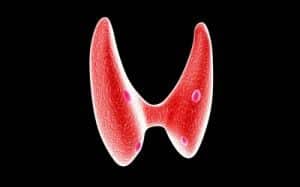
The thyroid gland is a butterfly-shaped gland that lies in front of the trachea in the lower neck. The two sides, or glands, are joined in the middle by a ridge of thyroid tissue called the isthmus. The thyroid gland usually cannot be seen unless it is enlarged.
The primary function of the thyroid gland is to make and secrete thyroid hormone, which helps control all other hormones in the body. It is a major controller of metabolism and is often considered the body’s thermostat.
Many disorders of the thyroid gland can occur, and most do not require surgery. Thyroid problems that may necessitate surgery include hyperthyroidism resistant to medical management, an enlarged thyroid gland causing symptoms, suspicious thyroid nodules, and thyroid cancer.
Excess production of thyroid hormone by the thyroid gland is termed hyperthyroidism. Most diseases and problems that cause hyperthyroidism are treated medically, but occasionally surgical management may be necessary. Hyperthyroid states most commonly considered for surgery are Graves’ disease, multinodular goiter, and a hyperactive solitary thyroid nodule.
Evaluation and Surgical Removal of Thyroid Nodules
Thyroid Conditions Treated
Thyroid Surgery (Thyroidectomy)
When it comes time for your thyroid mass removal you will be placed under general anesthesia and IV fluid support. An incision will be made along the base of the neck, through which the surgeon will remove part or all of the thyroid gland. Once the gland has been removed, the doctor will close the incision with a dissolvable suture and place a paper bandage over the wound.
After you are taken out of the operating room, you will be taken to a recovery room to ensure that you come out of anesthesia without any complications. After you have been cleared, your driver will be able to take you home to begin your recovery process in most cases. For higher-risk patients, you may need to spend the night in the hospital.
After Thyroid Surgery
- Pain should be minimal following surgery. It is usually adequately controlled with Ibuprofen or Tylenol. If these medications are not sufficient, do not hesitate to use the narcotic pain medication given to you prior to surgery. Be sure to also use an over-the-counter stool softener, due to narcotics’ tendencies to cause constipation.
- You may shower the day after surgery. Expect your incision to be firm, pink, and raised over the next couple of weeks, and mild bruising around the lower neck and upper chest.
- Your voice will appear hoarse after surgery, and some patients experience voice fatigue near the end of the day. Both of these symptoms usually resolve within 2-3 months
- Hypocalcemia (low calcium level) is a common complication of thyroid surgery, generally occurring 2-3 days afterward. Symptoms may include numbness or tingling in the lips or fingertips, muscle twitching, and headaches. Treatment is with either two Regular Strength (500mg) Tums tablets three times daily OR 1 Ultra Strength (1000mg) Tums tablet two times daily. It is best to have these on hand prior to returning home from the hospital.
Related Thyroid Information
Did You Know? – The Common and Uncommon Symptoms of Thyroid Disorders
Quick and Safe Surgery for Thyroid Cancer
Alpine Surgical offers quick, safe, and minimally invasive thyroid cancer surgery in Boulder, CO. Schedule a consultation with one of our surgeons if you are experiencing any symptoms of thyroid cancer. With their experience and expertise, they can diagnose and perform thyroid mass removal, and help you recover faster.